










































Fambul Tok Reconciliation Project

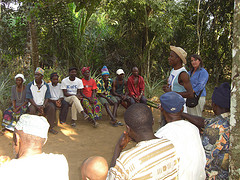
According to the organisers, Fambul Tok is built on Sierra Leone's tradition of discussing and resolving issues within the security of a family circle. The programme works at the village level to help communities organise ceremonies that include truth-telling bonfires and traditional cleansing ceremonies - practices which have not been employed since before the war.
Fambul Tok is rooted in the understanding that reconciliation is a process and not a one-time event, and so works with communities on a long-term basis. It works to ensure full community engagement through consultations to determine whether people are ready to reconcile, and through community-led preparations and outreach for the ceremonies. The programme follows a consultative process to foster local ownership at every level and to create maximum impact in the community healing process.
Following the ceremonies, the programme continues to work with communities to organise activities to support and sustain the reconciliation process, including radio listening clubs, football games, and community farms. According to the organisers, as these activities take root, local networks within and among villages are created, helping to provide opportunities for ongoing learning, and building on local resources and capacities to foster an environment of healing.
The organisers state that the healing process of reconciliation and forgiveness is designed to address the roots of conflict at the local level, and to restore dignity to the lives of those who suffered most directly from violence. They add that Fambul Tok is distinctly Sierra Leonean, rooted in African communal sensibilities that emphasise the need for communities to be whole, with each member playing a role to achieve peace and development for the whole nation.
For more information on Fambul Tok, visit the Fambul Tok website.
Catalyst for Peace initiated a documentary film project with Tarmac Road Production Company to record the Fambul Tok process. Click here to view the trailer on the film's website.
Peace and Reconciliation
Sierra Leone entered a new era when the final phases of internationally driven institutions such as the Truth and Reconciliation Commission and the Special Court came to a close. Fambul Tok is designed to help meet the demands of this new phase in the country's post-conflict history.
Originally conceived as a chiefdom-level programme that would involve 161 ceremonies around the country, Fambul Tok evolved to include other Sierra Leoneans who asked for ceremonies to be held at the much smaller level of village groupings known as "sections". To meet this need, the project will involve thousands of ceremonies to be held over several years.
Forum of Conscience and Catalyst for Peace
Fambul Tok website on February 24 2010 and March 19 2010.
Comments

Very happy to see these things done in our generation.
I am Benjamin Sumo Jr.director of Youth Development For Peace Initiatives (YDPI) this our blog address:http://ydpi.blogspot.com. and email:siehdarbeh@yahoo.com.Tel:+233-249.
We also work on the same process of trying to restore lasting peace in Liberia; therefore we have decided to put first the kids of this generation academic development in order to promote peace and development in our communities,homes, social places; our workplaces and the society; so we have decided to start our operations from the Buduburam Liberian refugee camp in Ghana Wast Africa ; we hope to hear from you as soon as possible.
We are looking for part to work together with.
Sumo Benjamin Jr.
Tel:+233-249-259
God bless you
RE;Greetings
Greetings from the Philippines,your work is very unique in post war Countries,and I think your can extend it here in Mindanao,cos it will be very helpful for war affected youths and that of former child soldiers.
- Log in to post comments