










































UNICEF Nigeria Videos on Violence Against Children
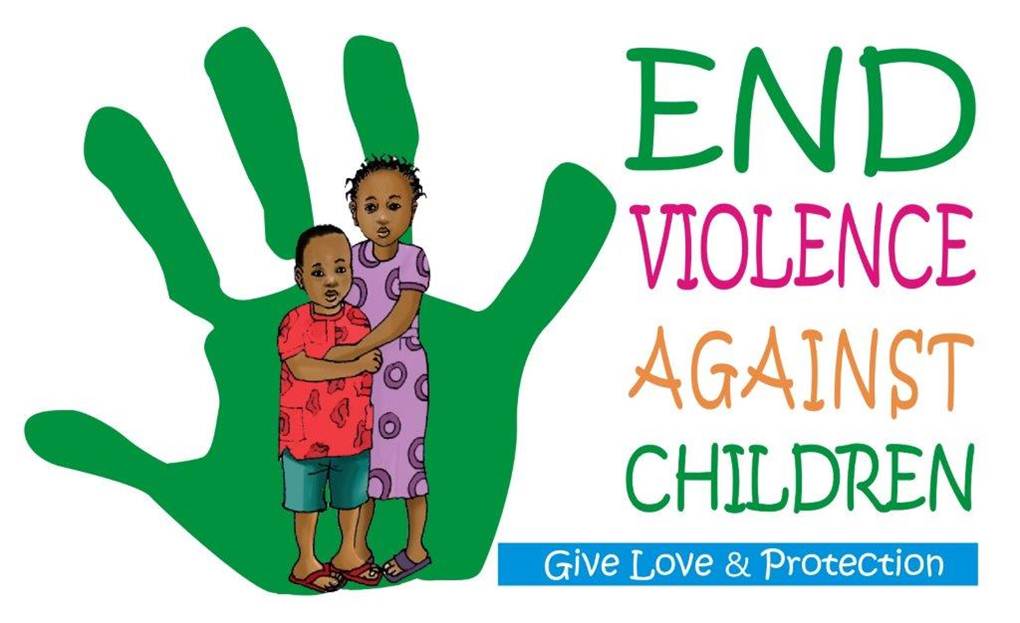
In response to Nigeria's Year of Action to End Violence Against Children campaign, which was launched in September 2015, three films on emotional violence, sexual violence, and physical violence were produced to be used as advocacy tools - to raise awareness of the three areas of violence experienced by children in Nigeria and call on people to act to stop the violence. The films were funded by the United Nations Children’s Fund (UNICEF) in Nigeria and produced by MIND (Media, Information & Narrative Development).
According to the Nigeria Violence Against Children Survey carried out by the National Population Commission with support from UNICEF and the United States Centers for Disease Control and Prevention, millions of children suffer violence every year in Nigeria – approximately 6 out of every 10 children under the age of 18 years experience some form of physical, emotional, or sexual violence before the age of 18 years. The survey found that: one in two children experience physical violence; one in four girls and one in ten boys experience sexual violence; and one in six girls and one in five boys experience emotional violence. The majority of children do not tell anyone what has happened to them, and fewer than five per cent receive the help they need to recover. The information from the survey is intended to help support efforts in Nigeria to develop and implement effective child-friendly violence prevention strategies, as well as to improve service provision for all Nigerians, especially for children who experience violence.
As part of the 2015 campaign, the following three videos (click on the title to view them on YouTube) were produced:
- Emotional Violence: Words Can Build, Words Can Break - One in 5 boys and 1 in 6 girls suffer emotional violence from their parents, caregivers, or adult relatives. This animated video tells the story of John, who like many children in Nigeria is ridiculed or put down. They are told they are unloved or undeserving of love. Or they are told: ‘I wish you were dead’ / ‘I wish you hadn’t been born’.
- Sexual Violence - How many more children will have to suffer in silence? - One out of every 4 girls and 1 out of every 10 boys in Nigeria is subjected to sexual violence before they turn 18. This dramatised video highlights that perpetrators are usually someone who is familiar to the child and that most children do not tell anyone about it and are left to cope alone.
- Physical Violence: Don’t We Want Our Children to Flourish? - Half of Nigeria’s children are exposed to physical violence before they turn 18. This violence occurs in everyday places where children should be safe - like homes, schools, and neighbourhoods. This animated video shows how the the physical injuries may heal, but that the inner wounds inflicted by violence can damage a child’s long-term development.
In October 2016, the Nigerian Government continued their commitment to end violence against children with a new campaign - End Violence Against Children by 2030! To support this campaign, MIND and UNICEF produced a film called “Hidden Scars”. This short film (12 min) also calls on Nigeria to act to end the three common forms of violence against children in Nigeria. In the film, children from different parts of the country share how violence has affected their lives. Click here to view Hidden Scars on Vimeo.
Publishers
English
Save the Children Resource Centre website on November 15 2016.
- Log in to post comments