










































Ending Violence against Children and COVID-19: Policy Brief
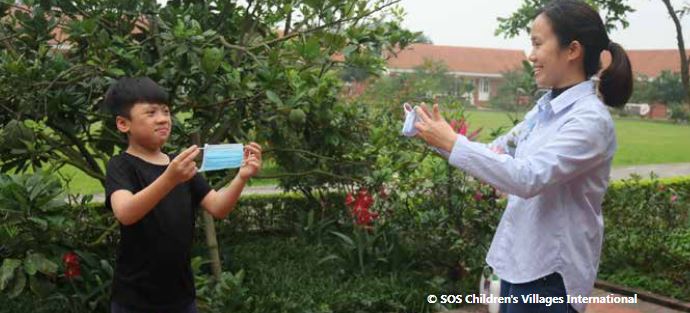
Joining Forces is a global alliance of 6 child rights organisations - ChildFund, Plan International, Save the Children, SOS Children's Villages, Terre des Hommes, and World Vision - working in coalition to prevent and respond to violence against children across 70 countries. Drawing on their frontline experience, this brief outlines the emerging key child protection risks that girls and boys are facing during the COVID-19 pandemic and the proactive measures they argue that governments, donors, United Nations (UN) agencies, and non-governmental organisations (NGOs) must take.
As the brief's discussion of emerging risks and trends elucidates, quarantine measures limiting movement of people and leading to the closure of public services are exposing children, especially girls, to increased risks of violence. More than one billion children are out of the education system and confined at home with carers who are experiencing one or various forms of duress (e.g., unemployment, depression, work-from-home pressure, anxiety). Girls and boys already experiencing violence at home, as well as those more vulnerable to violence such as children with disabilities and lesbian, gay, bisexual, transgender, intersex, and questioning (LGBTIQ) children, are at increased risk.
Evidence shows that calls to hotlines for domestic violence have increased between 20% and 150% in some countries. However, in some countries, a decrease in official reporting on child abuse has been noted: COVID-19 is making it increasingly difficult for children to access support networks, such as fleeing a violent situation, confiding in a friend, seeking help from a teacher or other community members, or reporting the incidence of violence.
Movement restrictions and closure of schools also mean that children are spending more time online, thus increasing their exposure to online bullying, pornography, sexual violence, and exploitation. Girls are particularly vulnerable. In fact, decreased access to services and social networks, as well as increased stress caused by the outbreak, are exacerbating existing gender inequalities. The United Nations Population Fund (UNFPA) has predicted an increase of 20% in incidents of gender-based violence.
Overall, the most vulnerable children will likely be at the greatest risk and in greatest need of protection. Such groups include children who are: refugees, migrants, internally displaced, conflict-affected, deprived of liberty, living without parental care, living on the street or in urban slums, living in situations of neglect, abuse, and exploitation, as well as those with disabilities.
Movement restrictions have prevented child protection and welfare workers, as well as humanitarian aid workers, from being able to reach girls and boys who are in need. However, there are some interventions being pursued that Joining Forces deems promising. Education and information-sharing campaigns to support parents by helping them to relieve stress and adopt positive parenting methods have been implemented in many countries. Protocols are being developed to ensure a continuity in child protection reporting, referral, and case management mechanisms. Different options are being explored to offer mental health, physical support, and counselling through online contact or to carry out activities through different media channels. In some countries, first responders, including community health workers, are being trained to recognise signs of violence.
As its name implies, Joining Forces calls for holistic child protection programming that involves organisations working together across education, health, and social protection to reach every child. The brief closes with a call to action for governments, donors, UN agencies, and NGOs that includes recommendations such as: Support child-friendly and survivor-centred reporting mechanisms and ensure they have the capacity to provide child-friendly and gender-sensitive counselling, reporting, and response to all those who need it. This includes the maintenance of child helplines, as well as of essential case management services.
See also: Joining Forces' open letter and recommendations to world leaders on the COVID-19 crisis and child rights.
WVI website and Joining Forces website - both accessed on July 2 2020. Image credit: © SOS Children's Villages International
- Log in to post comments