










































National Emergency Action Plan for Polio Eradication, Afghanistan, July 2014 - Dec 2015
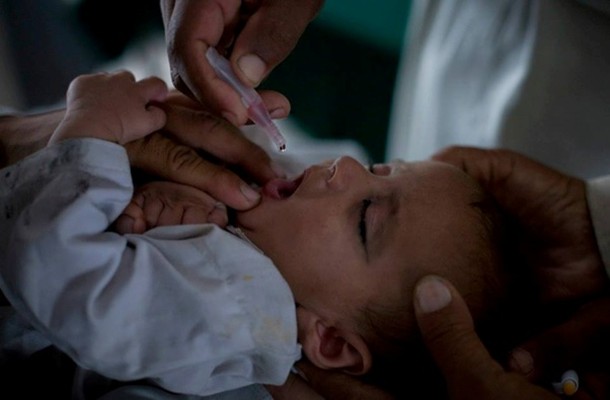
This document outlines the strategies developed by the Afghanistan Polio Eradication Initiative (PEI) programme as part of its revision of the National Emergency Action Plan (NEAP). It emerged from the Technical Advisory Group (TAG) meeting held in Islamabad that explored: a changing epidemiological situation, newly emerging security and political situations, declaration of polio as public health emergency of international concern, and an endgame strategic plan, which was designed to interrupt wild poliovirus (WPV) transmission in Afghanistan by the end of 2014 and prevent re-establishment during 2015.
As outlined in the document, there are 8 NEAP 2014-15 priorities. Below are some communication-related strategies:
- Intensify the focus on the eastern region - for example, by engaging additional partners, reviewing and revising communication interventions, and enhancing cross-border coordination (via meetings, mapping, data sharing).
- Improve management and accountability - for example, by focusing on capacity development for enhanced management.
- Reduce missed children and inaccessibility - for example, by using interpersonal communication (IPC) to reach children missed due to issues such as newborn, sick, and sleep (NSS).
- Re-focus advocacy, strategic communication, and demand creation - for example, by adapting the Immunization Communication Network (ICN) to meet local needs, mobilising through community groups, and using mass media.
- Maintain focus on low-performing districts - for example, by reviewing and revising communication interventions for all stakeholders and social strata.
- Enhance capacity on preparedness and response to epidemiological and contextual changes - for example, by developing additional vaccination activities for displaced and highly mobile population groups.
- Strengthen acute flaccid paralysis (AFP) surveillance - for example, by expanding the surveillance reporting network, including the private sector.
- Introduce the inactivated poliovirus vaccine (IPV) and strengthen the routine immunisations that are part of the Expanded Program on Immunization (EPI) - for example, by ensuring that staff in the PEI network: convey the EPI key messages and create demand, assist in defaulter tracing and enhance the referral system to immunisation centres, and support the EPI in monitoring and evaluation activities.
Overarching supportive activities going forward will include, amongst others, cross-border coordination and working toward oversight, ownership, and political commitment of the new government to eradicate polio in Afghanistan.
GPEI website, accessed April 2 2015. Image caption/credit: "Families and children fleeing the military operations in North Wazirstan receive polio drops at roadside vaccination points, June 24, 2014." © UNICEF/Mian Khursheed
- Log in to post comments