











































Adolescent Perspectives on Services and Programmes in Conflict-Affected Contexts: A Participatory Research Toolkit
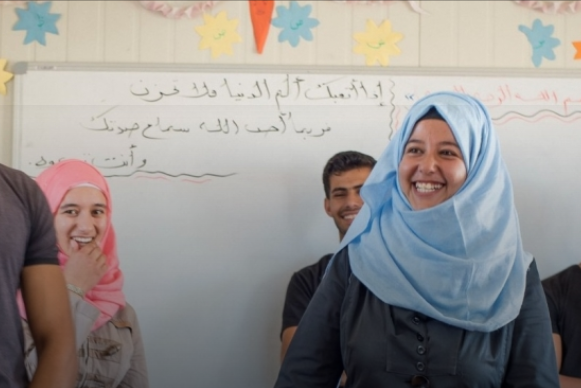
This resource provides an overview of participatory research tools to be used in conflict-affected areas. These tools have been developed by GAGE (Gender and Adolescents: Global Evidence) as part of participatory research with adolescents, their caregivers, service providers, and other relevant actors in Palestine, Jordan, and Lebanon. The purpose of the research is to learn more about the availability, relevance, effects, and quality of services for adolescents (and in particular, adolescent girls) in conflict-affected areas. It is expected that evidence from the participatory work stream will contribute to policy and programming dialogues on progress towards the achievement of gender- and adolescent-relevant Sustainable Development Goal (SDG) targets.
This document outlines tools that make use of interactive and fun participatory research methodologies (e.g., peer-to-peer interviews, participatory photography, a visual and interactive tablet-based approach, and a serious game on entitlements and rights) to provide opportunities for adolescents in refugee and host community settings to articulate their perspectives and experiences, while ensuring that the research findings are situated by including adults and other key stakeholders (by using more traditional mixed research approaches including a secondary literature review, quantitative analysis of existing survey datasets, and a qualitative baseline). While these tools were developed with specific research objectives in mind, GAGE envisions that they could be of broader use to others working with adolescents in the region or more broadly.
Introductory sections provide context (girls, gender, conflict, and the SDGs) and lay out the GAGE conceptual framework and the research questions. Page 6 includes a tool legend, followed by:
- Service mapping tools
- Tool: "Online mapping of adolescent services"
- Tool: QuickTap™ tablet based survey
- Tool: Mapping the Sustainable Development Goals
- Tool: Vignettes on adolescent service use
- Adolescent experiences and priorities: individual interviews
- Object based Interviews: these are a few of my favourite things...
- Daily schedule exercise
- Decision making exercise
- Social Support Quadrant
- Worries exercise
- Intergenerational interview
- Communities and systems through an adolescent lens: individual and group interviews
- Community Timeline
- Mapping adolescent "spaces" making use of 360 photography
- Mapping adolescent "spaces": "24 hours in the life of"
- Madam President
- Tools for participatory analysis
- Reflection exercise
- SHOWeD analysis
GAGE emerged out of the 2014 Girl Summit, where it was recognised that the evidence base on what works to support adolescent wellbeing and empowered adult transitions was thin and fragmented. The 9-year (2015-2024) mixed methods longitudinal research and evaluation programme, which follows the lives of adolescents in diverse developing country contexts, is funded by the United Kindgom (UK) Department for International Development (DFID).
49
Innocenti Research Digest | Adolescence [PDF], Issue 07, October 2017; and GAGE website, October 26 2017. Image credit: UNICEF/Eva Kaplan
- Log in to post comments