










































Tikwere! Interactive Radio Instruction
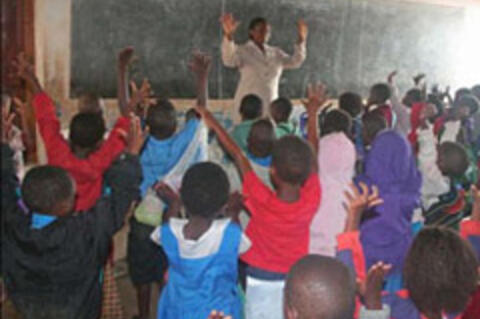
Tikwere (meaning "let’s climb” in Chichewa) is broadcast nationally via Malawi Broadcasting Corporation radio stations and consists of two 30-minute programmes daily. In 2008, the programme was broadcast into Grade 1 classrooms, followed by Grade 2 broadcasts in 2009. Broadcasts for Grade 3 are planned for 2010. The programme is based on a new curriculum and is designed to reinforce instructional strategies that emphasise student-centred approaches, active learning, and equitable classroom management for grade 1-3 nationwide. Tikwere seeks to improve both the quality and equity of education, especially in relation to the achievements of girls and the reach into rural communities.
The IRI content covers all basic skills in the curriculum (including literacy, numeracy, English, and life skills). Schools use wind-up radios to tune into the lessons, which are written and produced by a team of Malawian and Zambian scriptwriters. Broadcasts include stories, activities, and exercises that require interaction from both pupils and teachers. Intermittent pauses are included to engage primary school pupils in the learning process, and the instructional design aims to ensure that the subject matter is organised and well taught.
The radio programmes are recorded in the studios of the Malawi College of Distance Education. All Ministry of Education officials, teachers, and teacher supervisors were sensitised and trained in radio instruction, and 10,000 wind-up radios were distributed to primary schools nationwide.
Education, Children
Malawi’s education system struggles with large class sizes, limited supplies, and insufficiently trained teachers.
In its first year, the programme reached over 800,000 students and their 8,000 teachers in over 5,300 public schools.
International Development Division (IDD) of the Education Development Centre (EDC), USAID, Malawi College of Distance Education, Malawi Broadcasting Corporation (MBC), and the Ministry of Education, Science and Technology (MOEST).
- Log in to post comments