











































Guidelines for Ethical Communications around Child Marriage: Principles, Best Practice and Tools
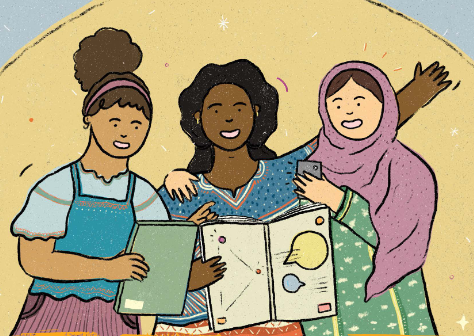
"Communicating ethically centres on one key question - who has power?....Communicators in the end child marriage movement are responsible for ensuring the storytelling process is a source of power for contributors..."
Created by Girls Not Brides: The Global Partnership to End Child Marriage, these guidelines outline principles and practices to support ethical communication between those who have experienced or are working to end child marriage and the people who view their stories. The guidelines, which include practical considerations and a separate document of tools, are designed to support those communicating around the issue of child marriage to consider: (i) if their communication materials reflect the wishes and expectations of the girls, adolescents, and young women who share their stories; and (ii) how communication materials are received by external audiences. Overall, the guidelines can be used in the day-to-day work of anyone who creates communication materials with a purpose of ending child marriage and advancing girls' rights and agency.
The four core principles of ethical communications that have guided the practical steps and tools outlined here include:
- The rights, safety, autonomy, and agency of girls, adolescents, and young women are the first concern, prioritised above any need to tell a story.
- The girls, adolescents, and young women are partners whose knowledge and expertise in their own experience is recognised; editorial decision-making is shared throughout the process and final portrayals.
- The communication process prioritises informed consent and facilitates it as a multi-staged and ongoing dialogue.
- Stories - in whatever format - challenge stereotypes and do not contain over-simplified narratives that can dehumanise individuals or groups of people.
Guiding principles for using language that promotes ethical communication include:
- Not using language that is influenced by or validates existing unequal relationships of power, negative stereotypes (particularly around gender), and associated worldviews.
- Using inclusive language that speaks about the work and relationships involved in ending child marriage in a way that affirms girls', adolescents', and young women's agency and capabilities.
- Using language that accounts for intersectionality in the lived experiences of girls, adolescents, and young women in all their diversity. This means understanding the multiple forms of oppression and discrimination that affect them, including gender, race, ethnicity, caste, disability, age, sexuality, class, and religion.
- Continuously reviewing and challenging problematic language, thinking about how it is used in practise and if this use aligns with the principles of ethical communication.
Key sections in the guidelines document include:
- Introduction
- Language and terms
- Section 1: Principles of ethical communications
- Section 2: Editorial decision-making
- Section 3: Consent
- Section 4: Production of communications materials
- Section 5: Distribution and storage
- Section 6: Ongoing commitment
- Appendix 1: No consent risk assessment
- Appendix 2: Communications risk assessment
The accompanying tools document is organised around six themes and features a supporting section on risk assessment.
Editor's note: An October 27 2022 online event introduces the tools and focuses on how to communicate powerfully and responsibly about child marriage. Access key takeaways and the recording in English, French, and/or Spanish at the URL below.
Publishers
English, French, Spanish (guidelines); English (tools)
70 (English guidelines); 66 (French guidelines); 67 (Spanish guidelines); 26 (tools)
Girls Not Brides website, January 4 2023; and email from Emma Sadd to The Communication Initiative on January 10 2023. Image credit: Illustration by María Ponce
- Log in to post comments