










































Youth Zones
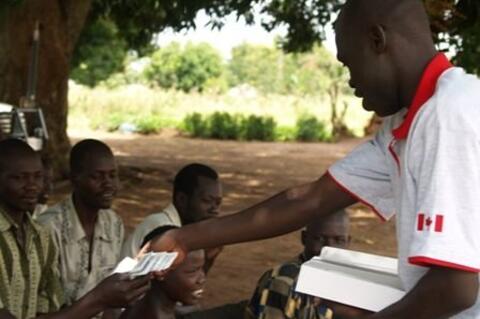
The focus of the project is on allowing young people to speak for themselves. The film only showcases youth voices and has no experts or adults talking on behalf of youth. As educators, health care workers, artists, peace activists and others, ranging from ages 15-25, the young people in the film speak of the challenges they face - in terms of accessing services and overcoming the burdens that fall on their shoulders in times of crisis - and they illustrate how, when given the support and resources they need, youth can rise above such challenges to build healthier lives and societies.
Along with spoken word poet Luke Nephew and youth activist Chernor Bah, Ms. Russell travelled to Colombia, Lebanon, Liberia, Northern Uganda, and New Orleans (United States) to facilitate discussions and conduct creative writing and poetry workshops with youth who are struggling and trying to cultivate resilience in the face of emergencies. What resulted was a film profiling youth who work as educators, peace activists, healthcare assistants, and drama mentors in an effort to rehabilitate their communities after emergencies. The 25-minute film can be viewed on the Youth Zones website, where visitors may also learn more about the issues by downloading fact sheets and may also find out how to host their own screening. It will be accompanied by a new media website and advocacy packets that will be distributed to donors, policymakers, student activists, and others.
Youth, Conflict, Emergency.
According to organisers, in conflicts and natural disasters around the world, young people are faced with numerous challenges and difficulties. For instance, schools, family, community and health centres have often broken down, leaving them with little, if any, support. Access to basic sexual and reproductive health services, including information on sexually transmitted infections (STIs) and HIV/AIDS, is often impossible. "Yet in the midst of these great difficulties, young people raise their younger siblings, form youth groups and organizations, put food on the table for their families, conduct peer education activities, contribute to peace movements, galvanize their communities and contribute in numerous other ways to positive changes."
Emails from Lisa Russell to The Communication Initiative on September 8 2009 and January 27 2011; and Youth Zones website, February 2 2011.

- Log in to post comments