










































A World Free of Polio - The Final Steps
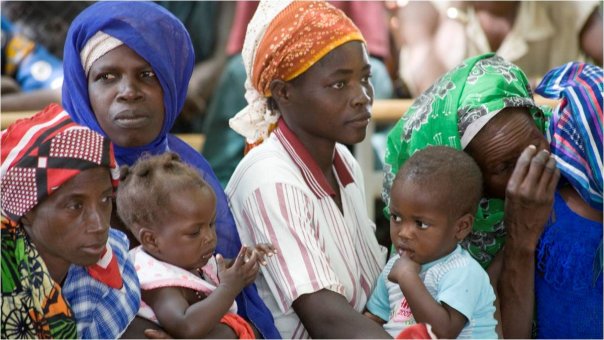
Task Force for Global Health (Patel); Emory University (Orenstein)
"Switching from tOPV to bOPV may sound simple, but synchronization requires global coordination on an unprecedented scale."
This commentary explains the rationale behind "the switch" by May 1 2016 from trivalent oral polio vaccine (tOPV) (containing wildpolio virus (WPV) types 1, 2, and 3) to bivalent OPV (bOPV, containing types 1 and 3) - arguing that the global community has a moral imperative to discontinue it [tOPV] as soon as programmatically feasible." Type 2 poliovirus now exists only in laboratories and in OPV in an attenuated form, though in rare circumstances it surfaces in the community, through persistent transmission, in the form of cases of paralysis caused by vaccine-associated paralytic polio (VAPP) or circulating vaccine-derived polioviruses (cVDPVs). Global cessation of OPV2 use poses a low but real risk of outbreaks of cVDPV2 or WPV infections associated with declining immunity to type 2 poliovirus. So, as the authors explain, a comprehensive, multipronged approach is required that involves, among other things, ensuring that all countries have access to enough inactivated polio vaccine (IPV) to administer at least one dose to all children through the routine immunisation programme.
In describing what is required for the switch, the authors emphasise some elements that highlight at least implicitly the role of communication: "Coordinated communication among global health organizations, countries, manufacturers, and funders is imperative to ensure synchronized OPV2 withdrawal with minimal disruption in vaccination services to children worldwide. Successful synchronization also requires GPEI [Global Polio Eradication Initiative] leaders and countries to monitor the timely completion of preparatory steps both globally and within each country (e.g., managing of tOPV inventories; bOPV licensure, procurement, and shipment; securing of financial resources; establishment of communication; and training of logisticians, health workers, and monitors). Equally, if not more, important, however, will be the monitoring of outcomes of withdrawal of the vaccine in April 2016."
In short, collaboration in eradication efforts through the switch is necessary and, as the authors seem to suggest, possible in the sense that getting to this point has involved coordination to "a high point never before achieved by the immunization community."
Associated with this commentary and available at the URL below is an interview with Dr. Walter Orenstein on the final steps in the global effort to eradicate polio. (8:37)
New England Journal of Medicine 2016; 374:501-503, February 11 2016, DOI: 10.1056/NEJMp1514467 Image credit: Task Force for Global Health
- Log in to post comments