










































Video Advocacy Institute (VAI) on HIV/AIDS and Human Rights
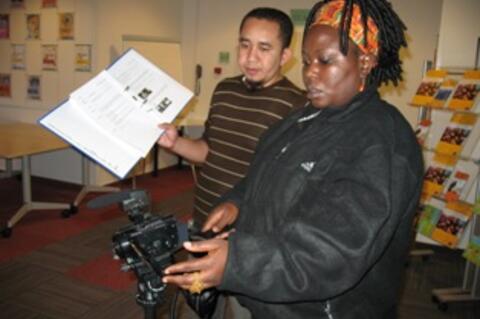
At the opening of the 5-day training, the 23 human rights advocates were asked to identify their advocacy framework and prepare to record and use personal story and visual evidence-based video as an advocacy tool. Participants included advocates from Kazakhstan, Hungary, Ukraine, Russia, Kenya, South Africa, Indonesia, and Tatarstan who work on issues including violence against sex workers and sex worker rights, human rights of people living with AIDS, the right of orphans and widows infected and affected by HIV/AIDS to own and inherit property by orphans and widows infected and affected by HIV/AIDS, access to treatment and substitution therapy for drug users, and changing laws affecting HIV-positive children.
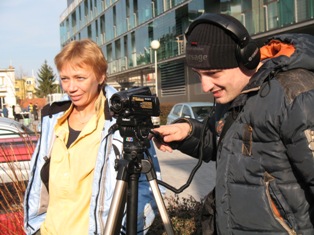
The 5-day institute - based on the curriculum which can be accessed here - included in-depth advocacy training, presentations, dialogues, and interactive exercises. Communicating in both English and Russian, WITNESS trainers and consultants guided participants through hands-on workshops and sessions that taught participants how to: conduct pre-production to plan the story and structure of the filming, understand the production and post-production process, shoot video, and prepare for an edit. In groups of 3, participants shot character portraits of human rights activists living and working in Budapest, Hungary. The programme's immersive, diverse, and participatory format was designed to provide an opportunity for all present to share their work, ideas, and new skills in an open and supportive setting.
Participants screened their advocacy videos at different venues at the IAC including on the Now More Than Ever website, an OSI campaign on HIV/AIDS and human rights. WITNESS also attended the IAC, providing support to the advocates as they screen their videos, as well as conducting a presentation and skills building workshop titled "How to Create and Use Effective Video for Rights-Based HIV/AIDS Documentation and Advocacy: Strategies Learned from Intensive Trainings with Rights-based Advocates."
HIV/AIDS, Rights.
March 2013 update:
WITNESS is no longer offering the VAI, but there are a number of free, online resources available. WITNESS's general "How-To" page offers access to training videos, best practice tip sheets, a video for change book, a signup form for a training newsletter, and more. In addition, WITNESS's video for change toolkit (see Related Summaries, below) is an interactive website that walks users through the process of developing a comprehensive video advocacy plan. It features 35 instructional videos, case studies, and questions to help users create a strategic plan to support their advocacy work.
One of the project partners, the Hungarian Civil Liberties Union, has posted blogs that describe how this organisation has incorporated video into its campaign work; these blogs help demonstrate some of the outcomes from the workshop. See:
- "Video, Human Rights and Drug Policy in Ukraine", by Igor Kuzmenko; and
- "Video Advocacy Example: Hope for Intravenous Drug Users In Russia", by István Gábor Takács
For further information about WITNESS training materials in various languages, to ask questions, and/or to provide feedback, contact training@witness.org. To stay updated on WITNESS's work, visit their blog or follow them on Facebook and Twitter (see the feed to the right).
WITNESS, Hungarian Civil Liberties Union, and OSI.
Video for Change - April 2010; and WITNESS website, April 20 2010; and emails from Jackie Zammuto to The Communication Initiative on March 12 2013 and March 15 2013.

- Log in to post comments