










































Using the COMMVAC Taxonomy to Map Vaccination Communication Interventions in Mozambique
Direcção Provincial de Saúde de Nampula (Muloliwa); Faculdade de Medicina, Universidade Eduardo Mondlane (Cliff); Community Medicine Department, University of Calabar (Oku, Oyo-Ita); Global Health Unit, Norwegian Knowledge Centre for the Health Services (Glenton, Ames, Lewin); Centre for Health Communication and Participation, La Trobe University (Kaufman); International Union for Health Promotion and Education (Cartier); Swiss Tropical and Public Health Institute (Bosch-Capblanch); University of Basel (Bosch-Capblanch); Evidence-based Healthcare Program, Pontificia Universidad Católica de Chile (Rada); Health Systems Research Unit, South African Medical Research Council (Lewin)
Using a taxonomy developed by the Communicate to Vaccinate (COMMVAC) project, this study aims to identify and classify the existing communication interventions for vaccination in Mozambique and to find the gaps. The aim was to test whether the taxonomy could be applied to classify communication in campaigns as well as routine vaccination in a low-income-country context, and to assess its usefulness in organising and identifying gaps in communication interventions.
The percentage of children in Mozambique less than 1 year of age who are fully vaccinated rose from 47% in 1997 to 64% in 2011. In this period, the Ministry of Health (MoH) implemented various approaches to increase vaccine coverage. The Reach Every District strategy began in 2008, and aimed to increase services in areas with low coverage, using various operational interventions. National Health Weeks also began in 2008 and are currently scheduled twice yearly. During these weeks, immunisation activities, including information, education. and communication (IEC) and social mobilisation, are intensified. Hundreds of mobile teams visit remote communities and schools to vaccinate children, women of childbearing age, and primary school students with routine vaccines.
A key part of the COMMVAC project, which ran from 2010 to 2017 (see Related Summaries, below), was to develop and test a novel taxonomy of vaccination communication interventions for childhood vaccination. COMMVAC classifies interventions into seven categories according to purpose: to inform or educate, remind or recall, teach skills, provide support, facilitate decision-making, enable communication or enhance community ownership. Interventions are also classified according to groups they intend to reach: (i) parents or soon-to-be parents (ii) communities, community members or volunteers and (iii) health care providers.
The study, which used a qualitative research approach, was carried out in Mozambique at both the national level and in Nampula Province. In-depth semi-structured interviews were carried out with key purposively selected personnel at national level, and relevant documents were collected and analysed. These data were complemented with observations of communication during routine vaccination and campaigns in Nampula province.
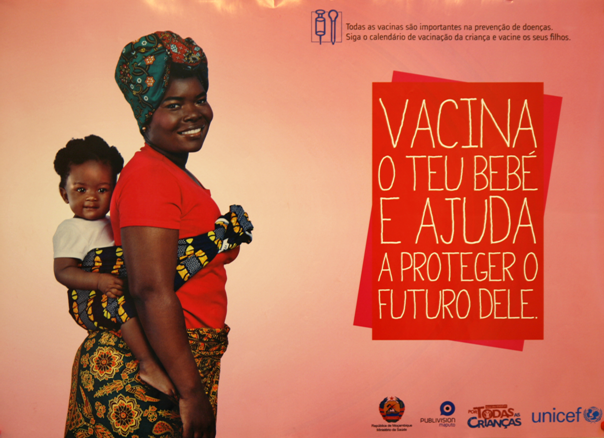
Figure 1 on pages 5-6 summarises the results of the mapping exercise using the COMMVAC taxonomy. The researchers identified interventions used in campaign and routine vaccination, or in both, fitting five of the seven taxonomy purposes, with informing or educating community members predominating. The following types of interventions with this purpose were identified: one-on-one interactions (e.g., between health care professional and mother), group interactions (e.g., mothers' groups), phone-based interventions (e.g., the MoH's 'Hello Life' and 'Green Line' hotlines), devices and tools (e.g., t-shirts and caps with vaccination messages), audio-visual (e.g., vehicles equipped with loudspeakers touring the streets in urban centres announcing the dates of vaccination sessions), printed materials (e.g., MoH-produced pamphlets, brochures, banners, and posters), community events (e.g., health fairs, sporting events, theatre, music and dance shows), celebrity spokespeople, and media campaigns.
Other findings:
- While interventions to remind or recall were used frequently, the range of intervention modalities utilised was narrow, compared to the wide range of such interventions used in many high-income countries. In Mozambique, the most commonly used reminder is the Child Health Card, which is held by every child vaccinated within the routine system. In addition, a number of new technologies are being evaluated, such as the use of mobile phone messaging to remind parents in Nampula Province. The remind or recall interventions identified in Mozambique are designed mostly parents rather than the community as a whole.
- Teaching skills in Mozambique focused on training health workers in interpersonal communication. The Expanded Programme on Immunisation (EPI) organises the training, but it lacks explicit messages or content on vaccination.
- Translation and interpretation are the main communication interventions that enable communication in Mozambican settings. Health messages are written mostly in Portuguese and must then be translated. The degree to which material is translated may require policy decisions and depends on available resources.
- Approaches to enhance community ownership are integrated into the MoH's community health involvement strategy, with the aim of giving communities the power to decide their health priorities.
- No interventions to provide support or facilitate decision-making were identified.
Most interventions that were identified were directed to community members or parents, and only a few had health providers as priority groups. This paucity of interventions directed to health providers may have contributed to the poor communication observed between providers and parents during vaccination sessions.
Many of the communication interventions were used in both routine vaccination and campaigns. In routine vaccination, health education talks predominated, while in campaigns, both the range and intensity of interventions were greater, supported by the additional funds available for campaigns. This increased communication likely contributes to the high coverage rates observed in campaigns, while the routine vaccination programme continues to produce insufficient coverage.
To recap, most of the communication interventions for vaccination used in Mozambique had the purpose of informing or educating, as defined by the COMMVAC taxonomy. These interventions are sometimes tailored to address low literacy levels. In Mozambique, information and education addressed to groups and individuals with low literacy is particularly relevant for women in rural areas. Through information and education, people can understand the significance and relevance of vaccines which, in turn, may help to reduce vaccine hesitancy and encourage people to contribute actively to the vaccination of their children. A 2009 study in Mozambique found that mothers' understanding of how vaccines work is limited and that their decision to take their child for vaccination is not based on clear knowledge of the mechanisms of vaccine protection. This suggests a gap in health literacy in Mozambique that has not yet been adequately addressed.
"The taxonomy was useful for identifying gaps, but needs to be more user-friendly if it is to be employed as a tool by health service managers."
Global Health Action. 2017;10(1):1321313. doi: 10.1080/16549716.2017.1321313.
- Log in to post comments