










































Training on Child Protection in Emergency (CPiE)
Diyalo Pariwar
This document reports on the implementation of "Training on Child Protection in Emergency" through a partnership between UNICEF and Diyalo Pariwar for members of protection clusters in each of 12 districts (Chitwan, Tanahu, Kaski, Nawalparasi, Rupandehi, Kapilvastu, Bara, Parsa, Rautahat, Sarlahi, Mahottari, and Dhanusha) in Nepal. "Training contents were focused on Child Protection in Emergency issues i.e. preparedness, response and contingency plan in an emergency context induced by the natural disasters and relevant to the particular district."
Participants included WCO (Women and Children Office) officials and programme staff, Child protection Officers/Inspectors and members of Protection Cluster in each district like-concerned responsible officials and representatives from line agencies, Nepal Red Cross Society, Nepal Police, Nepal Army and Armed Police Force, District Disaster Relief Committee, CSOs/NGOs and other relevant actors among were actively participated in the training. Beside the designed contents and their deliberation, the "Simulation" was major focused activity and most of simulations were found successful to review the roles and responsibilities to be done by the members of the protection clusters applying the national guidelines and other standards as well as procedures for the better response towards children and women during the emergencies. UNCIEF-Nepal's Child Protection Section and Emergency Unit provided necessary technical assistance and guidance to accomplish the training activities across the Districts"
This document reports on the implementation of "Training on Child Protection (CP) in Emergency" through a partnership between UNICEF and Diyalo Pariwar for members of protection clusters in each of 12 districts (Chitwan, Tanahu, Kaski, Nawalparasi, Rupandehi, Kapilvastu, Bara, Parsa, Rautahat, Sarlahi, Mahottari, and Dhanusha) in Nepal. "Training contents were focused on Child Protection in Emergency issues, i.e., preparedness, response and contingency plan in an emergency context induced by the natural disasters and relevant to the particular district."
Following the April 2015 earthquake in Nepal, CP has been a focus for risk management at the local level in order to strengthen capacity among leadership in the existing child protection systems. This empowerment training in CPiE was directed toward: WCO (Women and Children Office) officials and programme staff, Child protection Officers/Inspectors, and members of Protection Cluster in each district, as well as members of the Nepal Red Cross Society, Nepal Police, Nepal Army and Armed Police Force; and District Disaster Relief Committee, civil society organisations/ non-governmental organisations (CSOs/NGOs), and other relevant actors participated in the training. Objects were:
- CPiE familiarisation including knowledge about the basic concepts, principles, components and approaches to the Disaster Risk Management.
- Emphasis on the role of protection clusters.
- Guidance in incorporating CPiE concerns into regular child-oriented activities.
- Expanding CPiE beyond natural disasters to disasters created by development activity.
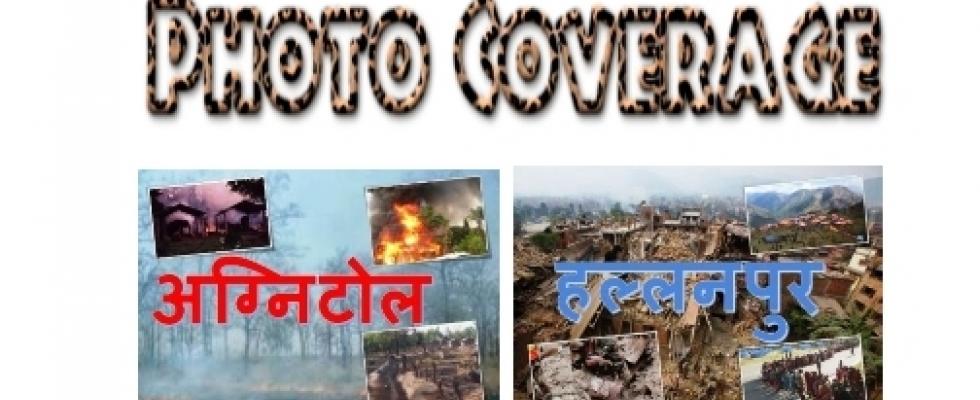
The three-day workshops included an exercise on needs assessment - IRA (Initial Rapid Assessment), MIRA (Multi-Cluster Initial Rapid Assessment), and Child Protection Assessment, including use of the Red Cross rapid assessment form. It also reviewed lessons from the April 2015 earthquake in the context of how to carry out the child protection related activities. The "Simulation" activity was a major focus activity, creating the scenarios of earthquake, flood, and fire-breakout, so that participants could role played action planning. "UNICEF-Nepal's Child Protection Section and Emergency Unit provided necessary technical assistance and guidance to accomplish the training activities across the Districts."
Several evaluation techniques were used before, during, and after the training, including questionnaires, session recapitulation, participatory reporting, reflections, and creation of resource maps and checklists for action planning.
Some recommendations include:
- strengthening networking, coordination, advocacy and information-sharing;
- improving monitoring and evaluation practices
- capacity building of the WCO and members of protection clusters; and
- incorporating the current available Quick Response Team (QRT) that are based in the Armed Police Force (APF).
Posting from Sita Ram Bhatta to The Communication Initiative on June 24 2017.
- Log in to post comments