










































Street to Street
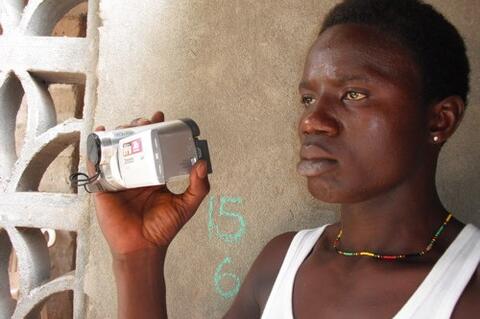
Via vlogs (video blogs) and the internet, young people aged 12 to 16 in Freetown upload weekly videos, so that students in partner schools in North America can respond, asking questions, building relationships, or just cheering them on. Organisers say it's a massive and intense introduction to the hugely complex issues around the causes of poverty, and of the equally huge pitfalls involved in trying to help those caught up in it - but one which makes it immediate and real. Organisers say the 6 young people identified in Freetown, Sierra Leone, already have video diary cameras and have made some films uploaded weekly onto a secure website where only the classes involved can log on. International students can ask questions and make comments about the lives of the street youth.
The project has a number of objectives. Organisers wish to create opportunities for students to discuss various themes and issues towards their courses - for example: to explore issues around: the MDGs and Global Citizenship and International Studies; to provide a teaching tool for Global Citizenship or Geography in 6-week blocks themed around Education, Health and HIV, Housing, Employment, Arts etc.; and to give a voice to those children least likely to get one. Organisers hope to foster a better understanding of global economic poverty and its causes while exploring possible solutions for the future through first-hand contact with those of a similar age who are living with poverty. The project also hopes to support those young people taking part in Sierra Leone back into education and into a home, as well as to create the opportunity for an ongoing relationship between international students and Sierra Leonean youth via Facebook or the Street to Street website.
The current young people in Sierra Leone who are participating in Street to Street are:
- Ballack - named after a Chelsea footballer. His parents are dead. He had a few years schooling but could not afford to stay in school unsupported. He wants to be like United States (US) President Barack Obama.
- Youngest - has a mother but she is economically poor and forced him to go out to sell water, so he ran away. He doesn’t want to grow old on the streets.
- Marie - her parents died; she lives with a gang of boys and does their laundry and cooking. She wants to be a leader one day.
- Immanuel - had a stepmother who abused him so he ran away.
- Timberland - has lived on the streets since he was 7. He gets his name from the shoes he used to wear. He wants to be a lawyer.
- White Boy - has no parents and little education. He washes cars for money and wants to go to school.
Click here to view the videos on the Street to Street website.
Youth, Education
Organisers say that teachers are asked to complete an assessment form, which both provides feedback of ways to improve Street to Street and information on how valuable it was to their students. WAYout provides a 3 monthly report on the progress of the young people taking part in Sierra Leone.
According to the organisers, Sierra Leone is the economically poorest country in the world - according to the United Nations index 2008. Up to 70% of youth are unemployed, 20% of children are without a primary carer (UNICEF), and over half the population is under 18.
WAYout Arts, Wilderness Pictures
Street to Street website on March 7 2011.
- Log in to post comments