











































MTV EXIT Campaign
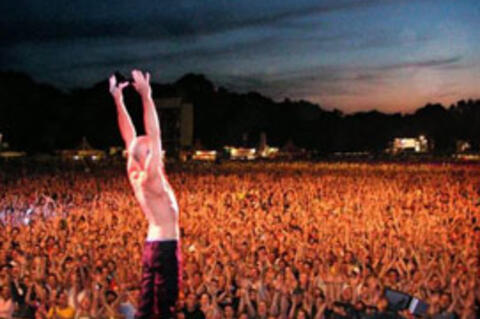
This campaign draws on information and communication technologies (ICTs) to educate and motivate people around the issue of human trafficking. As part of an effort to tap into a young, activist-oriented audience, the campaign has invited well-known models, actors, musicians, and the like to donate their time to present short films and documentaries, which have been screened on television and made available for viewing on the MTV EXIT website. For example, "Parallel Lives" is a series of short films filmed in Belgrade, Serbia (an area hard-hit by trafficking) which are presented by supermodel and photographer Helena Christensen, Gavin Rossdale of rock groups Bush and Institute, and 'Howlin' Pelle Almqvist of Swedish rockers The Hives. Premiered across MTV Europe in May 2005, the films provide specific awareness and prevention information about trafficking. Several documentaries have also been produced, such as "Traffic", which is presented by multiple celebrities in multiple languages and told through the stories of real people in Asia-Pacific who have experienced human trafficking in different ways. The film provides insight into the realities of trafficking, addresses the part everyday people play in the issue, and offers information on how to protect oneself and help end exploitation and trafficking.
As illustrated by the above examples, a core strategy involves sharing the stories of victims of human trafficking; the goal is to contexualise an issue that may otherwise seem abstract. For example, MTV Asia and all the national MTV channels across Asia and the Pacific broadcast a 30-minute show to "give a human face" to the trafficking of people through the personal accounts of 3 people - a woman who was forced into prostitution in the Philippines, an abused domestic worker in Singapore, and a man from Burma who was "practically imprisoned in a factory in Thailand for two years." Accounts of the trafficking survivors and re-enactments of rape, beatings, and abuse are interspersed with interviews with a trafficker and a "client" who openly admitted to the crime. Locally-based research was central to the effort to understand the actual situation, and to find out how best to communicate about it. MTV EXIT reportedly worked with organisations and talked with experts to see which forms of trafficking should be highlighted, in light of the forms that most affect the particular audiences.
The MTV EXIT website (no longer in operation) provided information, help, and resources related to human trafficking - as well as access to the films and documentaries described above. It was available in 8 languages.
Rights, Women.
According to figures cited on the MTV EXIT website, the International Labor Organization (ILO) estimates that approximately 2.5 million people worldwide are victims of trafficking; over half of these people are in Asia and the Pacific. The United Nations (UN) notes that criminals earn an estimated US$10 billion every year through buying and selling human beings.
Moving Images, Moving People! website; and the MTV EXIT website; and email from MTV EXIT to The Communication Initiative on February 7 2008.
- Log in to post comments