










































Integrated Campaigns: Evidence on Pro-equity Interventions to Improve Immunization Coverage for Zero-dose Children and Missed Communities
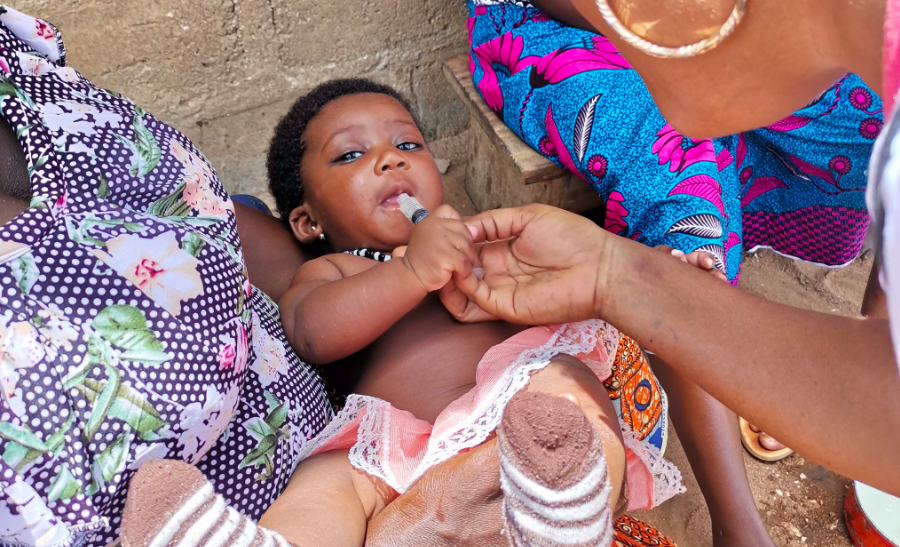
"Delivering services through an integrated approach protects the health of hard-to-reach communities through an efficient, high-value connection with the health system."
This evidence brief presents results from a rapid literature review to understand the effectiveness and implementation of integrated campaigns that could help achieve more equitable immunisation coverage, specifically helping to increase coverage and reach among zero-dose children (those who have not received a single vaccine to prevent disease) and missed communities (population groups that face multiple deprivations, such as socio-economic inequities and gender-related barriers).
The brief forms part of a series of rapid literature reviews (involving peer-reviewed and grey literature published between January 2010 through November 2022) conducted by FHI 360, and supported by the Vaccine Alliance (Gavi). The purpose of the reviews is to synthesise existing evidence on the effectiveness and implementation considerations for selected interventions that could help achieve more equitable immunisation coverage, specifically helping to reach zero-dose children and missed communities. Results of syntheses are presented through evidence briefs (see Related Summaries below for others in this series with implications for social change communication) and an online Evidence Map. The objectives of the evidence briefs are to understand which strategies are effective, identify implementation considerations, and assess gaps in knowledge and understanding. Overall, they are meant to help programme planners assess whether an intervention, such as integrated campaigns, should be considered for reaching zero-dose children and missed communities. For this reason, the mapping and the briefs use a categorisation scheme to rate interventions as: potentially ineffective, inconclusive, promising, or proven.
As explained in the brief, integrated campaigns "involve activities to reach large numbers of individuals with vaccination delivered in combination with other health services, or in combination with other vaccines through multi-antigen campaigns."
The specific purpose of the literature review on integrated campaigns was to:
- Identify promising approaches to integrate immunisation campaigns with other health services to reach zero-dose children.
- Assess the effectiveness and efficiency of integration efforts seeking to reach zero-dose children.
- Identify the main barriers, enablers, gaps, and implementation considerations for implementing integrated immunisation services.
- Identify and discuss the implications of various definitions or types of integrated immunisation service delivery.
The following is a summary of the findings as highlighted in the brief:
Effectiveness are integrated campaigns in reaching zero-dose children and missed communities: Based on findings from primary research studies identified, integrated campaigns are a "promising" intervention for reaching zero-dose children and missed communities. Across four studies that assessed the effectiveness of integrated campaigns on vaccination coverage, including one rigorous community-based cluster randomised controlled trial (RCT), all found that integrated campaigns increased vaccination coverage. Importantly, three of these studies disaggregated by un/under-vaccinated populations or those facing vulnerabilities (e.g., low economic status, poorly performing districts) and found significant increases were achieved in reaching these groups with vaccination. Given that only four effectiveness studies were identified - and included a limited range of integrated components - more evidence is needed before this intervention can be classified as "proven".
In addition, integrated campaigns were most frequently implemented in conflict/fragile and remote rural settings. There was significant variation in campaign type, duration/timing, and components. Optimisation is likely context dependent. Research demonstrates that integrated campaigns had success in terms of improving vaccine coverage among under-vaccinated populations and those facing vulnerabilities (e.g., low economic status, poorly performing districts).
Main barriers and facilitators to implementation:
- Major facilitators during planning and implementation include working closely with communities and key stakeholders, using existing tools and digital platforms, and ensuring a clear coordination plan.
- Major barriers include operational and logistical considerations relevant to ensuring the simultaneous delivery of multiple health services and cost.
Key gaps: Key gaps include a lack of implementation of integrated campaigns in urban areas and those that explicitly address gender-related barriers, a general paucity of effectiveness and costing data, and lack of clarity regarding ways to maximise efficiencies and optimise integrated components.
Overall, the brief states that integrated campaigns lend themselves well to improving equity through their focus on increasing access to health services, including immunisation, in areas where services are limited or lacking. Because this is not yet considered a "proven" intervention, it will be important to document efforts to implement integrated campaigns to reach zero-dose children and missed communities so what is learned can be understood and applied. Going forward, the brief highlights the following factors for implementing integrated campaigns:
- Ensure integrated campaigns take place in communities with a high prevalence of zero-dose children, which first requires identifying where zero-dose children reside and which communities are missed.
- Develop integrated campaigns that include components prioritised by communities facing vulnerabilities, which requires working closely with these communities during planning and implementation and devoting sufficient resources toward effective community mobilisation.
- Disaggregate monitoring data so the impact on equity is clear. Results can be disaggregated using examples found within studies included in this review, such as presenting coverage changes for unvaccinated, partially vaccinated, and fully vaccinated individuals, or presenting coverage broken down by other clear markers of equity, such as wealth quintiles.
Zero-Dose Learning Hub website on November 27 2024. Image credit: FHI360
- Log in to post comments