











































HPV Vaccine: Uptake and Understanding among Global Indigenous Communities - A Qualitative Systematic Review
University of Adelaide (Poirier, Sethi, Hedges, Ju, Jamieson); University of Queensland (Garvey); The Daffodil Centre at the University of Sydney, A Joint Venture with Cancer Council (Canfell, Smith)
"Trust between Indigenous community members and healthcare workers is central to vaccination strategies."
Indigenous populations have a high prevalence of human papillomavirus (HPV) infection and a high incidence of HPV-associated cancers, yet uptake of HPV vaccinations by Indigenous populations is low. Low vaccination rates are related to vaccine hesitancy in addition to vaccine inaccessibility. The objective of this qualitative systematic review was to explore the knowledge and beliefs of global Indigenous populations regarding HPV vaccines. Its goal is to provide evidence to guide the creation of more effective and acceptable vaccination policies for Indigenous peoples.
Two investigators independently searched four databases for articles published until January 6 2021 to identify qualitative studies on narratives of Indigenous peoples regarding HPV vaccine awareness, knowledge, and experiences across all geographic and income-level settings. Five papers were included in the final review. Studies were conducted in three countries: with Shipibo-Konibo communities in Peru; First Nations leaders, elders, and health service directors in Canada; and Alaskan Native, American Native, and Northern Plains American Indian communities in the United States. Three of the studies reported theories used in their study design, including community-based participatory research (CBPR), grounded theory, and trauma-informed lens.
Three core synthesised findings were identified:
- Reasons for acceptance - Examples of these reasons include: personal experience with cancer; knowledge and a good foundational understanding of the HPV vaccine; guidance from health professionals; and support from schools, communities, and families (with schools identified as safe spaces for sexual health promotion in relation to HPV vaccination because of the existing support networks between students and staff).
- Reasons for hesitancy - Mistrust in healthcare systems and in vaccines contributed to vaccine hesitancy for participants. Mistrust in healthcare systems reflected the history of maltreatment among Indigenous peoples and a lack of trusting relationships with current systems. Indigenous health providers were hesitant to vaccinate as well. Beliefs that research had not been conducted with regards to vaccine safety or efficacy demonstrated the inaccessibility of research findings for the included communities. Similarly, a lack of knowledge about the HPV vaccine created hesitancy for some participants. Limited vaccine endorsement from Indigenous health workers was highlighted by participants. Indigenous health workers in one study specifically identified education for parents as the first step necessary for informed vaccination decisions. One paper discussed the stigma associated with sexual behaviours as a potential rationale for hesitancy among community members.
- Areas for improvement - Participants discussed how current initiatives are often impersonal and detached from an individual's health. They stressed the importance of culturally appropriate awareness initiatives, preferably in verbal rather than written form and ideally available in Native languages. They suggested leveraging discussions around HPV vaccination as a chance to strengthen mother or carer communication with children. Some participants were disappointed when they had learned their children or grandchildren had already received the vaccine, identifying a loss of opportunity to establish and foster openness between generations around protecting one's health. Participants called for extended education practices to include whole families and communities, underscoring the importance of male voice and understanding in HPV conversations.
As the researchers note, these findings "align with previous explorations of Indigenous understandings and uptake of vaccinations. Intergenerational impacts of colonisation, historic maltreatment and continuing marginalisation and oppression have significantly impacted Indigenous trust in health-related services, communications, and professionals..." Thus: "Health professionals have a responsibility to educate themselves prior to providing care in communities; many non-Indigenous health workers are unaware of the oppressive history of healthcare systems and therefore do not properly understand potential vaccine hesitancy and mistrust they may encounter..."
While mistrust in health care is common for Indigenous communities, participants both in this qualitative review and elsewhere "have discussed the centrality of practitioner-patient relationships and health professional guidance in promoting vaccine acceptance. Health practitioners have an ethical obligation to respectfully engage in honest conversations with Indigenous peoples about vaccines that prioritises oral forms of education...and increases understanding for patients. For example, clinical yarning has been suggested as a mechanism to improve clinician-patient communication with Indigenous peoples in Australia that focuses on integrating cultural communication strategies with biomedical understandings of health....The three-pronged approach to clinical yarning includes social yarns, where clinicians find common ground and develop relationships with patients; diagnostic yarns, which aim to establish the patient's health story through a scientific lens; and management yarns, which utilise stories as a tool to increase patient understanding and develop a collaborative management approach..."
The findings also highlight the importance of making research accessible for communities using culturally relevant dissemination materials. Some participants from the included studies voiced concern or disagreement with current guidelines; co-creation of recommendations with specific communities or tailored education programming could address the misalignment of values observed.
The inclusion of mother-daughter communication as an area for improvement in this review "reinforces how intergenerational disruptions experienced by many Indigenous communities continue to shape Indigenous health....Prior to colonisation, sexuality was not considered shameful for Indigenous communities in Canada; adults and elders openly discussed sexual health and taught children about their bodies....These significant traditions...provide an opportunity for awareness initiatives to strengthen communication and relationships between elders and youth. Participants from the included studies also emphasised the importance of centralising men in HPV conversations to increase understanding and family uptake of the vaccine."
The researchers assert that "Qualitative systematic reviews have the opportunity to uniquely inform policy decisions and to generate innovative solutions that successfully engage and directly benefit involved communities." Among the limitations of this review is the low number of publications meeting the inclusion criteria, which highlights the need for further work that centralises Indigenous perspectives on HPV vaccination, particularly in other countries. "Indigenous healthcare research should be grounded in community experiences and feedback."
In short, this review highlights the importance of community voice in design and delivery of awareness initiatives, as well as community co-creation of health recommendations for the HPV vaccine. Papers included in this review have highlighted various frameworks to consider when co-creating vaccine strategies with communities that acknowledge the wider influences impacting vaccine decisions and permit the development of more holistic and community-engaged initiatives.
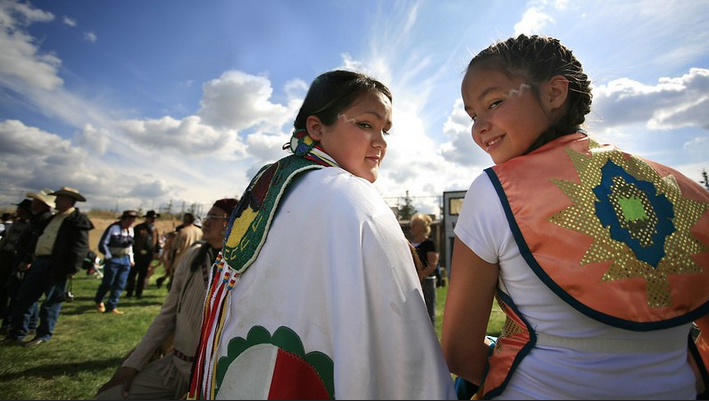
BMC Public Health (2021) 21:2062. https://doi.org/10.1186/s12889-021-12147-z. Image credit: Government of Alberta via Flickr (CC BY-NC-ND 2.0)
- Log in to post comments