











































How Poliomyelitis Eradication Interventions Have Affected the Knowledge, Attitudes and Uptake of Polio Vaccines among Nigerian Women
Affiliation
African Health Project (A.J. Onoja, S.I. Onoja); Ibolda Health International Abuja (Babarinde, Babarinde); Fescos of Data Solutions (Sanni)
Date
Summary
"...the intervention program has aided in achieving a considerable increase in polio vaccination uptake, knowledge, and attitude, which may have spread to non-intervention [areas]."
Nigeria's National Stop Transmission of Poliomyelitis Program (NSTOP) is among the forces credited for helping the country being declared free of wild poliovirus (WPV) on August 25 2020. However, looking more closely, certain factors, including mothers' educational background, age, marital status, socioeconomic level, and religious background, influence the effective use of childhood immunisation, particularly in the North, where women have less autonomy. This study aims to assess the knowledge, attitudes, and uptake of polio vaccines among Nigerian women.
As detailed here, NSTOP sought to provide high-quality and culturally competent technical field support staff in high-risk areas. At its inception in 2012, NSTOP identified, enumerated, and vaccinated a highly mobile population (nomads) implicated in the epidemiology of polio at international and inter-state borders. This particular activity enabled increased outreach vaccination, increased uptake of routine immunisation among nomadic populations (which are prevalent in northern Nigeria), and improved herd immunity, resulting in a steady decline in WPV cases from 122 in 2012 to 53 in 2013 to 0 for the last 3 consecutive years.
The impact assessment was conducted in the 11 NSTOP intervention states in 2 geopolitical zones of Northern Nigeria, Northwest and Northeast. The study was a cross-sectional descriptive design that involved applying an interviewer-administered questionnaire to 2,592 mothers/caregivers from 262 households. The assessment adopted a theory of change that centred on the intervention (case)/non-intervention (control) study design principles to measure impacts.
In both intervention and non-intervention areas, mothers/caregivers showed high awareness of poliomyelitis vaccines (>99%), 98.8% agreed that it is expected that all children be fully vaccinated by 12 months of age, and 98.7% agreed to advise others to get their children immunised. However, a higher proportion (96.6%) of women from the intervention regions said the time spent on vaccination is worth it than those without the interventions (93.8%) (P=.05). A significantly higher proportion (58.4%) of mothers from intervention states said the recent routine immunisation session was less than a month ago than women in non-intervention states (45.7%) (P<.05). More mothers (95.5%) from the intervention areas have immunised their children within the last years than non-intervention mothers (91.7%) (P<.05). A significantly higher proportion of mothers from intervention regions (96.1%) said their children were immunised as scheduled than those from non-intervention areas (94.4%) (P<.05).
The primary source of information on routine immunisation amongst mothers and caregivers in intervention states were health facilities and family members. However, intervention activities created awareness among 33.4% of intervention areas compared to 13.1% of non-intervention areas. It is also possible that people from the intervention areas may have influenced the non-intervention residents, because information tends to spread quickly among communities: 78.3% of mothers from non-intervention areas said they heard about routine immunisation from family members. The sufficient knowledge of routine vaccination in both intervention and non-intervention regions might also have been influenced by the activities of healthcare workers and information from mass media, since 90.0% of women from the non-intervention regions heard about routine immunisation from health facilities.
Reflecting on the findings, the researchers note that, despite WPV eradication from Nigeria, the study still recorded low immunisation uptake among some women. This result may still be due to some misconceptions, religious beliefs, and inaccessibility, as some of these factors have halted the uptake of the polio immunisation vaccine in northern Nigeria, as previously reported. One study reported that husbands prohibited their wives from bringing their children for vaccination, which shows the male dominance in decision-making in most northern families. All these factors made complete vaccination against polio in the northern states challenging. However, with the NSTOP intervention program, which enlightened most of the residents and assisted in correcting some of these religious misconceptions, this study was able to record significant knowledge, attitude, and uptake of the polio immunisation.
In conclusion: "Given its success thus far, it is recommended that the NSTOP program be sustained and, if possible, expanded geographically to cover the entire country when resources permit. This step will help keep polio permanently out of the country and reduce mortality among under-five children."
Nigeria's National Stop Transmission of Poliomyelitis Program (NSTOP) is among the forces credited for helping the country being declared free of wild poliovirus (WPV) on August 25 2020. However, looking more closely, certain factors, including mothers' educational background, age, marital status, socioeconomic level, and religious background, influence the effective use of childhood immunisation, particularly in the North, where women have less autonomy. This study aims to assess the knowledge, attitudes, and uptake of polio vaccines among Nigerian women.
As detailed here, NSTOP sought to provide high-quality and culturally competent technical field support staff in high-risk areas. At its inception in 2012, NSTOP identified, enumerated, and vaccinated a highly mobile population (nomads) implicated in the epidemiology of polio at international and inter-state borders. This particular activity enabled increased outreach vaccination, increased uptake of routine immunisation among nomadic populations (which are prevalent in northern Nigeria), and improved herd immunity, resulting in a steady decline in WPV cases from 122 in 2012 to 53 in 2013 to 0 for the last 3 consecutive years.
The impact assessment was conducted in the 11 NSTOP intervention states in 2 geopolitical zones of Northern Nigeria, Northwest and Northeast. The study was a cross-sectional descriptive design that involved applying an interviewer-administered questionnaire to 2,592 mothers/caregivers from 262 households. The assessment adopted a theory of change that centred on the intervention (case)/non-intervention (control) study design principles to measure impacts.
In both intervention and non-intervention areas, mothers/caregivers showed high awareness of poliomyelitis vaccines (>99%), 98.8% agreed that it is expected that all children be fully vaccinated by 12 months of age, and 98.7% agreed to advise others to get their children immunised. However, a higher proportion (96.6%) of women from the intervention regions said the time spent on vaccination is worth it than those without the interventions (93.8%) (P=.05). A significantly higher proportion (58.4%) of mothers from intervention states said the recent routine immunisation session was less than a month ago than women in non-intervention states (45.7%) (P<.05). More mothers (95.5%) from the intervention areas have immunised their children within the last years than non-intervention mothers (91.7%) (P<.05). A significantly higher proportion of mothers from intervention regions (96.1%) said their children were immunised as scheduled than those from non-intervention areas (94.4%) (P<.05).
The primary source of information on routine immunisation amongst mothers and caregivers in intervention states were health facilities and family members. However, intervention activities created awareness among 33.4% of intervention areas compared to 13.1% of non-intervention areas. It is also possible that people from the intervention areas may have influenced the non-intervention residents, because information tends to spread quickly among communities: 78.3% of mothers from non-intervention areas said they heard about routine immunisation from family members. The sufficient knowledge of routine vaccination in both intervention and non-intervention regions might also have been influenced by the activities of healthcare workers and information from mass media, since 90.0% of women from the non-intervention regions heard about routine immunisation from health facilities.
Reflecting on the findings, the researchers note that, despite WPV eradication from Nigeria, the study still recorded low immunisation uptake among some women. This result may still be due to some misconceptions, religious beliefs, and inaccessibility, as some of these factors have halted the uptake of the polio immunisation vaccine in northern Nigeria, as previously reported. One study reported that husbands prohibited their wives from bringing their children for vaccination, which shows the male dominance in decision-making in most northern families. All these factors made complete vaccination against polio in the northern states challenging. However, with the NSTOP intervention program, which enlightened most of the residents and assisted in correcting some of these religious misconceptions, this study was able to record significant knowledge, attitude, and uptake of the polio immunisation.
In conclusion: "Given its success thus far, it is recommended that the NSTOP program be sustained and, if possible, expanded geographically to cover the entire country when resources permit. This step will help keep polio permanently out of the country and reduce mortality among under-five children."
Source
Asian Journal of Medicine and Health, Volume 20, Issue 4, Page 16-23
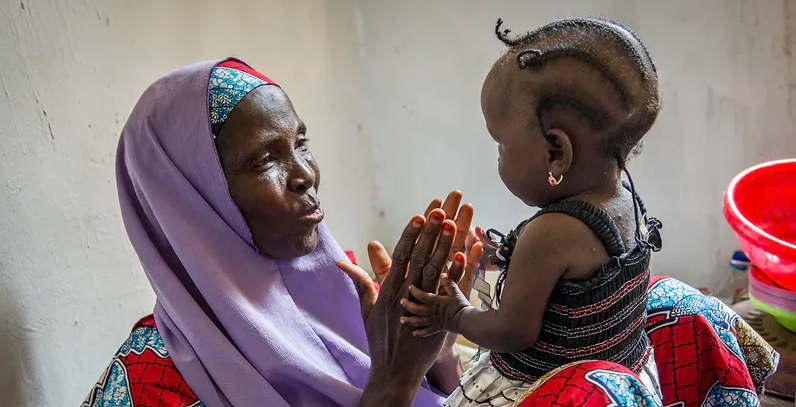
DOI: 10.9734/ajmah/2022/v20i430453. Image credit: U.S. Agency for International Development (USAID) via Rawpixel (free to use)
- Log in to post comments