











































Guide for the Preparation of a Risk Communication Strategy for COVID-19 Vaccines: A Resource for the Countries of the Americas
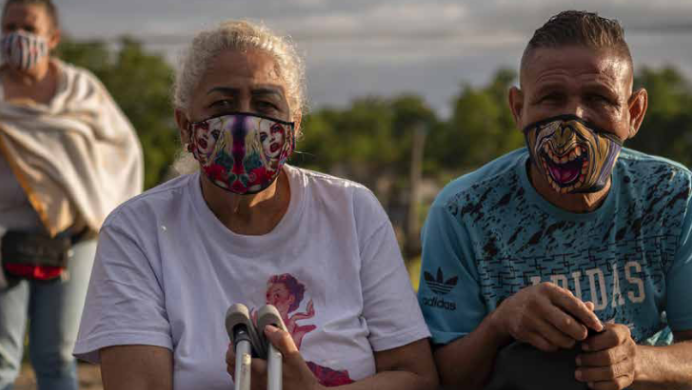
"Vaccines and vaccination are only the beginning - not the end - of a long road to containing the pandemic. Governments face many challenges in this process..."
A solid risk communication and community engagement (RCCE) strategy is considered a linchpin for confronting public health emergencies such as COVID-19. Good management of communication is key to a successful vaccination campaign and is essential for the population to accept and receive the vaccine and recommend it to others. The Pan American Health Organization (PAHO) created this resource to facilitate the preparation of a RCCE strategy for vaccination against COVID-19. As a complement to the technical guidance compiled in Crisis Communication Related to Vaccine Safety (see Related Summaries, below), the instrument is designed to help to strengthen the communication and planning capacities of the ministries or secretariats of health and other agencies in charge of communicating about new COVID-19 vaccines in the Americas.
As outlined in the document, the main objectives of the RCCE strategy include:
- mitigating perceived risks about vaccines and vaccination;
- managing uncertainty and expectations about vaccines;
- communicating the risks associated with not getting vaccinated;
- promoting knowledge and understanding of what vaccines are (process), their safety, and the results of administering them (benefits) in order to increase awareness;
- mobilising the community in support of vaccination;
- reducing rumours and disinformation about vaccines;
- increasing vaccination acceptance and demand (reaching people); and
- fostering the participation of other actors in support of vaccination, such as connections with champions of the cause, influencers, and professional partners (especially health workers).
Contents include:
- Introduction
- Risk communication strategy: scenarios
- Components of the risk communication strategy
- Effective communication
- Behaviour analysis, community engagement, and territorial deployment
- Information monitoring
- Considerations when preparing the strategy
- Monitoring and evaluation of the strategy
- Annex: Matrix for the preparation of a risk communication strategy for COVID-19 vaccines
Publishers
English; Spanish
28
PAHO website, February 18 2021.
- Log in to post comments