










































Condom Bindaas Bol Campaign
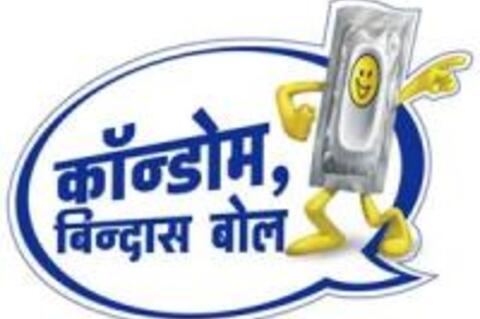
The campaign employed a 360-degree approach, seeking to reach both consumers and vendors through a mix of traditional and non-traditional media vehicles, public relations initiatives, and activities meant to address the stigma surrounding condom use by reducing the embarrassment associated with buying condoms. Research conducted by PSP-One revealed that: 1) condoms are a taboo subject in India; 2) discussion about the issue is almost always uncomfortable; and 3) this attitude could hinder use of the product. A strategy was developed to "normalise" the condom, positioning it as a product like any other for normal people, which meant that people shouldn't feel discomfort when simply saying the word 'condom'.
To promote the campaign, a series of TV advertisements (designed to be high-energy and engaging) were produced and provided to media partners, who then aired numerous stories about the campaign and condoms on key television channels and in print media such as: NDTV, Brunch, Brand Reporter, Pitch, and Hindustan Times. These mass media efforts were supported by town-level contests that invited people to reenact the television advertisement - be it by retailers, consumers, or celebrities- to create more impact and "buzz". Contest winners were given prizes by celebrities supporting the "Bindaas Bol" campaign. Additionally, the campaign partnered with male TV celebrities to do pro bono advertisements of them reenacting the advertisements, and gave media interviews to talk about the campaign and why they chose to endorse it.
To supplement the mass media activities, "Bindaas Bol" reached out to retailers and providers to actively engage them in the campaign. The project partnered with condom marketers to enhance retail visibility and access, informed over 40,000 health care providers (chemists, retailers stocking condoms, and indigenous medical practitioners) through project field representatives on sensitisation and the importance of correct and consistent use of condoms, and developed a contest exclusively for retailers. The winner of the contest was the retailer that had the best display of "Condom, Bindaas Bol" point of sale materials, prominently displayed their condom selection, and openly discussed condoms with their customers. According to campaign organisers, retailers responded enthusiastically to the contest, essentially "wallpapering" their shops with "Bindaas Bol" and other condom promotion materials.
Safe Sex, Family Planning.
"Condom bindaas bol" was designed to address a decline in condom use and sales across 8 northern Indian states that account for 45% of the condom market in India. These states - Delhi, Rajasthan, Uttar Pradesh, Uttaranchal, Madhya Pradesh, Chattisgarh, Bihar and Jharkhand - make up 40% of India's population of more than 1 billion.
PSP-One contends that the programme proved to be an effective way of increasing the total condom market in North India and of changing attitudes towards use and users of condoms. During the project implementation period (2003 – 2006), the sales volume of commercial condom brands increased 6.4% (the compounded growth rate), and the value of commercial condom brands sold through retail outlets increased by 10.3% (also the compounded annual growth rate). In addition, organisers cite evidence indicating that the campaign was also successful in improving attitudes: consistent use of condoms with non-spousal partners amongst sexually active men increased from 75% to 80%; current condom use with spouses among married men increased from 38% to 60%; and there was a 16% increase amongst those reporting the belief that condoms are not only for commercial sex.
PSP-One points to the numerous partnerships developed with the private and commercial sectors and celebrities over the course of the campaign as crucial in leveraging cash and in-kind contributions. These contributions were in the form of product samples and merchandise from partner manufacturers, celebrity endorsements of the campaign, coverage in electronic media channels and dailies, and programme partners' contributions towards contests. The campaign continues to be supported by the National AIDS Control Organisation (NACO), which is airing the Bindaas Bol adverts. Most importantly, in organisers' assessment, "Bindaas Bol" led the way and helped a number of other condom category campaigns focus on openly talking about condoms as the starting point for "normalisation".
"Bindaas Bol" has received accolades including: the United Nations Grand Award for Communications Excellence, the IPRA 2007 Golden World Awards for Excellence in public relations in the non-profit category, Silver Awards for Innovative Media Strategy at Advertising Agencies Association of India (AAAI) GoaFest, the Special Award by Population First, and The Grand Effie Award for the most effective advertising campaign in 2007, which organisers claim represented the first time a social communication campaign received this award.
USAID, ICICI Bank, Private Sector Partnerships-One, the Indian Government's Ministry of Health & Family Welfare, National AIDS Control Organisation (NACO), LOWE-India, Corporate Voice Weber Shandwick (CVWS), JK Ansell, TTK-LIG, and Hindustan Latex Ltd.
Emails from Angela Milton and Ashleigh Hodge to The Communication Initiative on January 21 2008 and September 3 2008, respectively; "PSP-One India's 'Condom Bindaas Bol' Campaign Wins UN Award"; "Growing the Condom Market in India: Bindaas Bol Campaign", by Anand Sinha, April 2008; and "When Being 'Bindaas' Matters", by Sravanthi Challapalli, The Hindu Business Line, September 13 2007.
Comments

It was a great campaign and
It was a great campaign and deserved all the acoolades it got
- Log in to post comments