










































Circulating an AIDS Film Using Mobiles
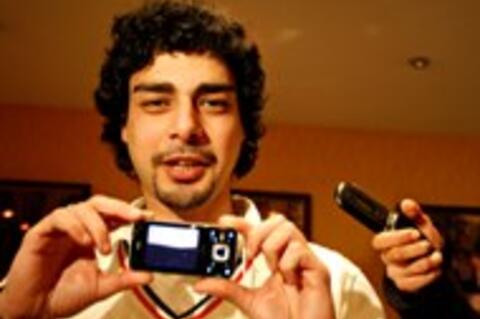
This project uses mobile phones to disseminate a film in order to raise awareness amongst youth about AIDS, and to inspire them to communicate with each other about the disease. The 20-minute film is split into 5 parts, with the idea that young peer counselors will distribute one piece at a time to their clients, and will encourage them to pass it on to their friends. Organisers strategised that people under 25 in Georgia have the latest cell phone they can afford; most have video and Bluetooth capability. Thus, this technology seemed a promising way to get the message out.
Young people were actively involved in preparation of the film itself, especially in a scenario development process. Along these lines, "The Morning After" focuses on the real lives of young people - the situations, problems, and dilemmas they face. The film does not have a concrete message; rather, it is a story about the everyday life of young people that highlights what might put them at risk for contracting HIV/AIDS.
HIV/AIDS, Youth.
According to UNICEF, young people represent one of the risk groups for HIV/AIDS in Georgia. By the end of 2007, the total number of HIV-positive cases was 1,500, with 344 new cases registered in 2007 alone.
UNICEF, Save the Children.
Emails from Maya Kurtsikidze to The Communication Initiative on February 11 2008 and March 12 2008; and "New AIDS Film in Georgia Circulated Using Mobiles", UNICEF, January 29 2008.
- Log in to post comments