











































CARE's Child Marriage Learning Briefs
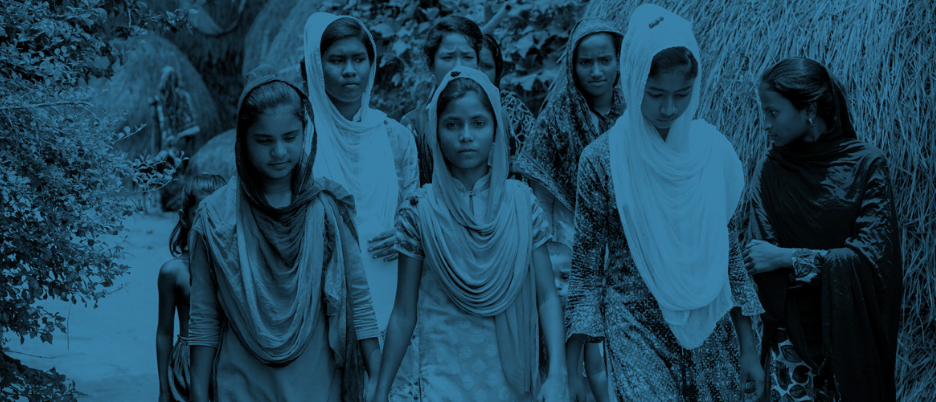
"When we focus on opening doors instead of closing them, such as a focus on women and girls' access to resources and services, we experience transformative change."
CARE's Tipping Point (see Related Summaries, below) worked to establish ways to centre girls' experiences and evidence-based strategies to facilitate transformative change within the movements, donors, and governments that seek to empower and expand the voices, choices, agency, and rights of adolescent girls. Incorporating the perspectives of girls, activists, and multi-sector experts, this series of briefs summarises 10 years of learning and evaluation from the Tipping Point initiative in terms of what works to prevent child, early, and forced marriage (CEFM) and to promote girls' rights.
The briefs include:
- Child Marriage Global Learning Summary - outlines what CARE has seen, experienced, learned, and evaluated in Ethiopia, Benin, and Bangladesh (the latter being a Tipping Point country, as is Nepal). It shares what these programmes have in common: gender-transformative programme design, investment in girls' voice and leadership, and pathways for girls beyond marriage through financial skills- and opportunity-building. It also looks at which principles drive the calls for action in policy, practice, and funding to expand girls' rights: gender at the centre, holistic and inclusive solutions, and movement founded. "CARE and other implementers can support girls to generate resources from within their community to sustain collective action and thus drive girl-led sustainability."
- Child Marriage & Advocacy Learning Brief - explores where advocacy gains are being made, why, and what role each of us has in promoting transformative policy that centres girls' rights and lived experiences.
- Child Marriage & Family Support Learning Brief - discusses strategies around working with families to seek their support in fostering norm change, accelerating girls' empowerment, and delaying marriage.
- Child Marriage & Girls' Leadership Learning Brief - stresses the need to focus on what girls want and what mattesr to them, how they wish to connect with others to achieve their vision, and where they would like to take action.
- Child Marriage & Economic Empowerment Learning Brief - examines what has worked in terms of economic empowerment and the need to continue to integrate financial opportunities into girls' rights programming across sectors.
A key theme that runs throughout the briefs is CARE's call for a gender-transformative, movement-based, and inclusive way forward for girls' rights, alongside allies and partners.
14 (Child Marriage Global Learning Summary)
Emails from Beth Sorel and Alessia Radice to The Communication Initiative on January 30 2023 and February 3 2023, respectively. Image credit: CARE
- Log in to post comments