











































Barriers and Facilitators to Vaccination in Latin America: A Thematic Synthesis of Qualitative Studies
Instituto de Efectividad Clínica y Sanitaria (Roberti, Ini, Belizan); Consejo Nacional de Investigaciones Científicas y Técnicas (Roberti, Ini, Alonso)
"Qualitative research can contribute to understanding perceptions and decision-making about vaccination and to designing policies and interventions to increase coverage."
Vaccines are often undervalued or underused for a variety of reasons, and vaccine hesitancy is a global challenge that threatens vaccine acceptance and the goals of immunisation programmes. Low vaccination coverage remains a public health problem in many regions, including Latin America. This systematic review and thematic synthesis of qualitative studies identifies barriers and facilitators to vaccination in Latin America.
The following electronic databases were searched in January 2022: PubMed, CENTRAL, Scopus, LILACS, SciELO, and CINAHL. Search terms used were related to knowledge, attitudes and practices regarding vaccination among participants in Latin America. No date restrictions were imposed on the search strategy. The search yielded 8,107 results, 56 of them (published from 2007 to January 2022) were included in the review. Regarding populations included in the studies, the most prominent were parents of children at vaccination age (n = 23), health professionals (n = 11), and pregnant women (n = 9). The two countries with the most studies were Brazil (n = 22) and Peru (n = 13).
Facilitators included:
- Vaccination being recognised as an effective strategy for preventing contagious diseases at the individual and collective levels;
- Acceptance of healthcare provider recommendations;
- Positive vaccination experiences and support from significant others; and
- Vaccination being recognised as a requirement for access to social assistance programmes, schooling, or employment.
The main barriers discussed in the studies were lack of information or counseling, safety concerns, certain religious and cultural beliefs, structural problems such as shortages of vaccines and limited hours of operation, misconceptions and stigma (in the case of vaccination against diseases, such as human papillomavirus (HPV) perceived to be associated with sexual behaviour), the inability to afford over-the-counter vaccines or transportation to health facilities, insufficient training of health professionals, and violence (in El Salvador, Honduras, Ecuador, and Colombia, fear of crime and social violence by gang members was cited as a barrier to vaccination, as limited access to health facilities undermined outreach efforts).
In short, findings highlight the multifaceted nature of vaccine acceptance and hesitancy, shedding light on factors at different levels. The identification of facilitators underscores the role of informed decision-making and trusted sources of information, while the barriers emphasise the challenges that need to be addressed to ensure equitable vaccine access and uptake.
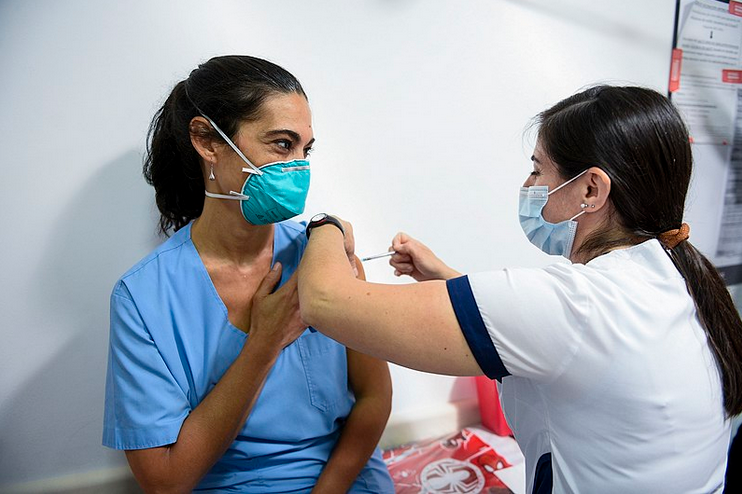
Cadernos de Saúde Pública 2024; 40(6):e00165023. doi: 10.1590/0102-311XEN165023. Image credit: Casa Rosada via Wikimedia (Creative Commons Attribution 2.5 Argentina license)
- Log in to post comments