











































Assessing Effectiveness and Scalability of Approaches to Increase Use of Modern Methods for Child Spacing by Muslim Couples in Nomadic and Semi-nomadic Communities in Wajir and Mandera Counties, Kenya
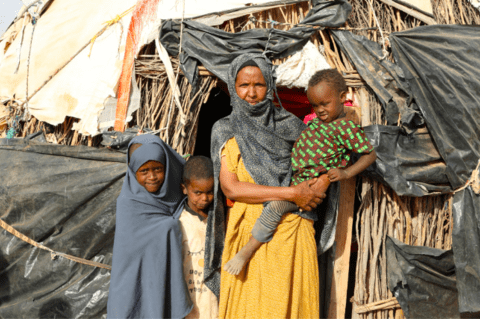
Abstract for Preformed Panel Presentation from the 2022 International SBCC Summit in Morocco:
"Women from isolated nomadic communities in Kenya are in need of child spacing to reduce maternal and child mortality, and the Wajir and Mandera counties have the highest total fertility rates, the lowest modern contraceptive prevalence rates, and the highest maternal mortality rates in Kenya. A social norms study identified strong and obligatory norms concerning early marriage of girls, child bearing, close spacing of pregnancies, and expectations for couples to have many children. Despite being accommodative of child spacing, Islamic faith was often cited as a reason for non-use or disapproval of modern methods for child spacing. The Nomadic Health Project Social and Behavior Change implementation communicated key health concepts from a Islamic perspective through religious leaders and community health volunteers. Training religious leaders as family planning champions was facilitated by a respected Muslim cleric and scholar and religious leaders engaged their community through Friday sermons, male barazas and roundtable discussions with Duksi teachers. Male engagement was ramped up through various forums including Friday prayers. Audio sermons and radio dramas were offered using portable solar powered radios and memory cards. An endline assessment found a strong preference for group-based channels such as Friday Sermons as well as peer channels including community health volunteer-led dialogue sessions, young mother-to-mother, mothers in-law dialogues, and male forums. Strengthening couple communication and community support regarding child spacing through community forums and testimonials appears to be more effective than individual sessions. The involvement of both religious leaders and community health volunteers gives stronger results-especially through building family planning content through Islamic texts."
Approved abstract for the 2022 SBCC Summit in Marrakech, Morocco. From SBCC Summit documentation. Image credit: Save the Children