










































Assessing Conflict Drivers and Re-Framing Radicalization in Northern Nigeria: Formative Research Report for the Farar Tattabara ("White Dove") Radio Project
Equal Access
"In late 2016, Equal Access [EA] launched a new CVE (countering violent extremism) radio project in northern Nigeria. In order to better understand evolving conflict dynamics, [Equal Access-Nigeria] conducted formative research across northern Nigeria."
This formative field research, consisting of a formal survey and focus group discussions, done in January 2017, informed by a literature review on CVE in northern Nigeria and CVE theories of change, forms a baseline understanding of conflict dynamics in order to inform the Hausa language Farar Tattabara ("White Dove") radio platform. Due to the Boko Haram (BH) insurgency, in its ninth year, EA sought a new strategy to prioritise youth civic engagement by using strategic communication to counter violent narrative and "discuss what people across the North want society to look like going forward, including creating space for the rehabilitation and reintegration of former fighters and others abducted during the conflict." In the project strategy, marginalisation, gender stereotypes, and risk of radicalisation are counter to empowerment and inclusion.
The baseline research is intended to support development of three differently focused Hausa language radio programmes using quality and credible radio programming to address the factors that drive citizens to BH, leveraging: local ownership - training of community reporters (CRs); content from constant feedback using "'generative communication ecology' build[ing] in opportunities for collaboration and feedback from audiences, experts, and others in the form of Stakeholder Workshops, CAGs [Content Advisory Groups], as well as social media and SMS [text messaging]/IVR [voice response] interactions with and feedback from listeners”; and complementary multimedia platforms to engage listeners in dialogue.
Because the goal of the research was "to gather information and perspectives from the general public in different northern states on relevant issues, and opinions they have on different aspects of life in their communities", EA met with 353 interviewees and selected radio stations to gather information on airtime rates and time slots for the three programmes: Ina Mafita ("The Way Forward"), Ilimi Abin Nema ("Pursuit of Knowledge"), and a radio drama titled Labarin Aisha ("Aisha’s Tale"). 79% of respondents were men and boys, ages ranging from 14 to 65 with most respondents between 15-45 years of age, being farmers, students, civil servants, day labourers, internally displaced persons (IDPs), and unemployed youth in both urban and rural areas.
Key findings include the recurring themes and core challenges:
- The impact of the economic crisis and currency devaluation on livelihoods;
- Increasing insecurity due to: BH attacks on vulnerable groups and public places; lack of trust in police; vigilantes and self-defense groups; and increased pressure from more IDP influx;
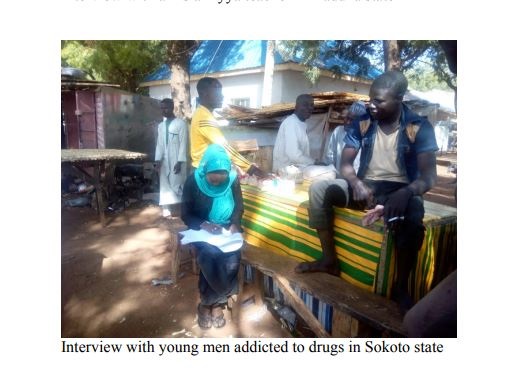
- Rising criminality and drug use;
- Domestic violence and gender inequality;
- Access to education - education shifting to increased religiosity and conservative social values - "growing religious intolerance has contributed to people wanting to learn about their faith traditions and has led parents to send their children to religious schools", often in order to defend their faith from extremists. Also, in the case of Christian-Muslim tensions, the herder-farmer conflict has become normalised;
- Growing radicalisation among youth and a need to reframe thinking about radicalism - Social cohesion and rehabilitation of militants means creating alternative pathways for radicalised individuals, while continuing CVE messages and counter-narratives to build resilience, discourage recruitment, and diminish support for violent extremist groups. "Violence must be condemned unequivocally by all leaders, especially religious and traditional figures, whereas other on-air guests can add nuance and help speak to the range of individuals, beliefs, and behaviors engaged in radical activity and begin to situate them on a broader radicalization spectrum" - including: humanising the "other" to invite them to rejoin society; "re-radicalization" of committed individuals to "favor, for example, education, peaceful coexistence, economic inclusion, youth empowerment, and social justice...."; and making space for public discourse on forgiveness and social healing.
The implications for developing programming include:
- introducing themes gradually through our radio discussions, gradually moving from implicit to explicit framing;
- featuring a range of respected and recognised religious leaders that are pro education reform;
- working with local and traditional leaders to prevent perception of "westernisation" of programming; focusing on security concerns and discussion of difference, tolerance, and the strengths of a multicultural society;
- cohesion building among religious schools, sects, and communities;
- identifying ways that community members can organise and act to address real and perceived barriers to peace through a social and behaviour change communication (SBCC) lens; and
- "helping to humanize addiction and encouraging people to look at drug use through a public health, not only a criminal justice, lens."
Linked In Kyle Dietrich website, January 26 2018. Image credit and caption: Equal Access; "Interview with young men addicted to drugs in Sokoto state"
- Log in to post comments