










































Autism: Global Challenges and Community Based Solutions
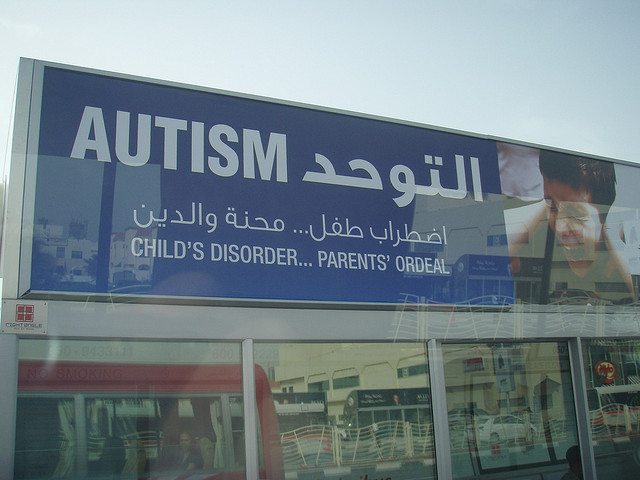
This article explores community-level strategies for engaging the public with research on autism, a lifelong condition interfering with a person's ability to communicate and relate to others. The authors explain that "[r]aising awareness about this 'hidden' disability is challenging because it is not associated with clear physical symptoms. As a consequence, behavioural symptoms are likely to be missed in primary health care settings." Although scientific understanding of autism has increased, the authors note that there is still a wide gap between public awareness and the extent to which available services are validated scientifically. The gap appears wider in developing countries, where research capacity is limited and health professionals and the public have little or no contact with research.
The authors outline 3 complementary approaches for improving quality of life for families affected by autism:
- Bridging the wide gap between evidence and practice: "interventions need to be individually customised, but there are some general principles such as providing structure and predictability in the environment, fostering independence and new skills, and engaging the family."
- Promoting awareness within the community: "Communities who combat stigma and misconceptions against disabled people benefit from their skills and competencies instead of marginalising them as a burden to society....More targeted awareness activities among health and education workers are essential in communities where service development is still under way. This would prevent a situation where concerns are inadvertently raised in peoples' minds without providing them with concrete solutions."
- Fostering partnerships: "Organised grassroots efforts led by families have provided impetus and drive for change. Family support and advocacy groups in some countries have flourished into large-scale national organisations that continue to effect real and positive change. Similar grassroots efforts are increasingly visible in low- and middle-income countries. The success of the groups rests on their ability to engage a wide range of stakeholders and reach out to the public at large....International partnerships are also growing in the area of autism. These partnerships are essential for translating evidence into practice and allowing different communities to learn from each other. Forming strategic partnerships among countries with different cultures, levels of expertise, and existing service infrastructure is critical for achieving this goal."
Health Exchange, Issue 7, June 17 2010. Image credit: Flickr/geordieb1
- Log in to post comments